Coffee
Home Espresso Cleaning: The Dosage Trick Nobody Tells You
Author:sana
|
Released:March 25, 2026
Skipping regular cleaning is a classic mistake with home espresso machines, especially when they only get used now and then. But here's the part people mess up, even when they do clean: the amount of cleaner. Too little just moves oils around. Too many leaves can leave chemical residue that can end up in your next shot or damage internal seals.
So let’s talk about this—not just if you should clean, but how to do it right, which products work, and why the "pinch of powder" approach usually backfires.
Why Your Home Espresso Machine Needs Regular Attention
Coffee oils are sticky. Really sticky. They cling to group heads, shower screens, valves, and even the tubing you can't see. Once those oils oxidize, they go rancid. That stale, bitter taste bulldozes your beans' origin notes. You get cardboard-like shots and blame the coffee. Probably not the coffee's fault.
The 2026 National Coffee Data Trends report says 82% of yesterday's coffee drinkers made it at home. Espresso drinks are climbing—latte consumption up from 17% to 21% in a few years. That's a lot of home machines running daily, many without proper cleaning.
The real issue isn't frequency. It's technique. People ignore hidden parts like shower screens and steam wand tips. They skip descaling or do it wrong. Some use vinegar, which damages seals. And many just use the wrong amount of cleaner.
That dosage problem? Trickier than it looks.
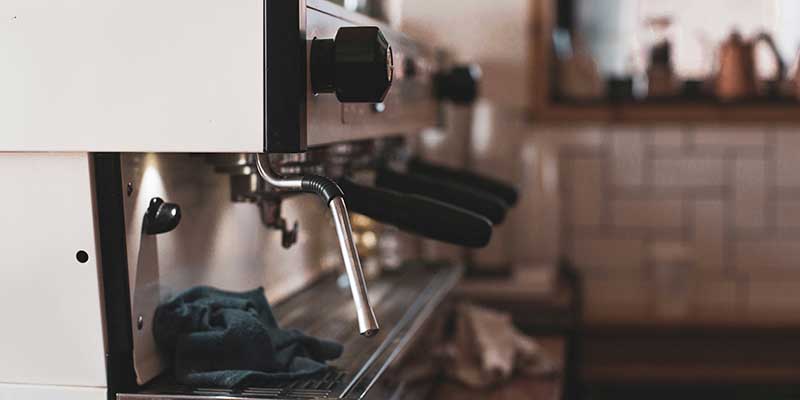
The Goldilocks Problem: Finding the Right Cleaner Amount
Think about what happens during a backflush. You’re forcing cleaning solution through the most delicate internal components – solenoids, tiny valves, narrow pathways. If you use too little cleaner, the coffee oils don’t fully dissolve. They just get pushed around and keep clinging to surfaces. That leaves deposits that continue accumulating.
On the other hand, overdosing comes with its own headaches. Excessive product can leave chemical residue inside your machine, which then leaches into your coffee. That’s not just bad for taste – it’s a health issue you don’t want to think about while sipping your morning latte. Too much cleaner can also damage rubber seals and gaskets, causing leaks down the line, and it’s simply wasteful.
Some home baristas on forums report that powder cleaners, when overdosed, don’t fully dissolve during a standard cleaning cycle. You end up with gritty residue that gets flushed out later – or worse, stays stuck.
So what’s the answer? Consistency. That’s why portion-controlled cleaning products have become so popular.
5 Cleaning Product Brands You Should Know
Here are some of the most recommended options from actual home baristas and professionals.
1. Urnex (Cafiza Tablets & Powder)
If you’ve spent time in coffee forums or specialty shops, you’ve probably heard of Cafiza. These tablets are professional grade, designed for commercial cafes, but they work perfectly in home machines too. They’re odorless, dissolve completely during the cleaning cycle, and remove coffee oils from group heads, valves, and internal lines.
The powder version gives you flexibility in dosing, though that can be a double-edged sword for home users who aren’t confident in measuring. Cafiza products are NSF certified (safe for commercial food equipment) and OMRI listed (organic-friendly), which offers peace of mind for eco-conscious buyers.
2. Puly Caff
Pully Caff comes up constantly in maintenance discussions. It’s particularly popular outside the US, with a strong following in Europe and Australia. The brand focuses exclusively on espresso machine cleaners and detergents – they’re not trying to be a jack of all trades.
Their cleaning powder is highly effective at removing stubborn coffee oils. Like any powder, it requires measuring the right dose each time. Some users find that more economical, while others prefer the simplicity of pre-measured tablets.
3. Cafetto
Cafetto has pushed hard into the home market with their Home Range, which comes in single-use sachets designed for domestic machines. They’ve clearly thought about the dosage problem.
Their EVO and TEVO Mini tablets handle group head cleaning, while Renew sachets take care of descaling. They even have a Grinder Clean product for removing built-up oils in your grinder’s burrs – a part that home users often ignore completely.
The pre-portioned sachet approach removes guesswork. Tear one open per cleaning cycle, dump it in, and you know you’re getting the exact amount the manufacturer recommends. That’s huge for people who aren’t sure if they’re overdoing it or underdoing it.
4. Jura Cleaning Tablets
If you own a Jura machine, you’ve probably noticed the manufacturer strongly recommends their official tablets. There’s a reason. Jura machines have specific group chemistry, and the tablets are designed to dissolve at the correct rate and temperature for those internal components, leaving no residue.
The downside? They’re more expensive than universal options, and they’re really only meant for Jura machines. But for Jura owners who want to protect their warranty, the official tablets are the obvious choice.
5. ACTIVE Cleaning Tablets
For home baristas on a budget, ACTIVE tablets are worth a look. A 120-count pack offers serious value – enough for well over a year of weekly cleaning cycles. They’re compatible with many machines, including Breville, Gaggia, De’Longhi, and Philips.
Each tablet has double the cleaning power of standard 1-gram tablets, according to the manufacturer. That means more active ingredient per tablet. They work with both semi-automatic and super-automatic machines, making them a versatile choice if you’re still figuring out your setup.
So there you have five brands: Cafetto, Urnex, Puly Caff, Jura, and ACTIVE. Plenty of options depending on your machine type, budget, and how much you care about eco certifications.
A Practical Cleaning Routine (Daily, Weekly, Monthly)
One smart move is to break your machine maintenance into different timeframes. Trying to do everything at once is overwhelming and won’t stick. Spread it out, and it becomes manageable.
Daily Maintenance (The Two Minute Rule)
After every brewing session, do these quick things:
Flush the group head. Run water for just 2 to 3 seconds after pulling your shot. This clears loose grounds and oils before they dry and stick.
Clean the portafilter and basket. Knock out the puck (don’t leave it sitting – it goes rancid fast), rinse both parts under hot water, and wipe them dry. Coffee oils start oxidizing the moment they hit the air.
Purge and wipe the steam wand. Non-negotiable if you make milk drinks. Purge steam immediately after each use to clear milk residue from inside the wand, then wipe the exterior with a damp cloth. Dried milk is a nightmare once it hardens.
Some people also empty and rinse the drip tray daily. It prevents odors and bacterial growth, and it takes 30 seconds.
Weekly Maintenance (The Fifteen Minute Clean)
Once a week – more often if you pull many shots – backflush your machine. This forces water and cleaner through the group head to reach oils you can’t get with a brush.
Here’s how:
Insert a blind basket (no holes) into your portafilter.
Add your cleaner – one tablet or the appropriate powder dose.
Lock the portafilter into the group head.
Run the pump for about 10 seconds, then turn it off for 10 seconds.
Repeat that cycle 8 to 10 times to work the solution through.
Remove the portafilter and run a few rinse cycles with just water to clear any remaining cleaner.
While you’re at it, soak your portafilter, basket, and shower screen in warm water with a bit of espresso cleaner for about 15 minutes. Then scrub gently with a soft brush, rinse, and reassemble.
Monthly Maintenance (Descaling and Grinder Care)
This is the step that gets skipped most often, and it’s arguably the most important for your machine’s long-term health. Descaling removes mineral buildup (limescale, calcium deposits) from your water that accumulates inside the boiler and pipes. Scale affects temperature stability, water flow, and can permanently damage your machine.
Most home baristas should descale every 1 to 3 months, depending on how hard your water is. Use a proper descaling solution designed for espresso machines – not vinegar. Vinegar degrades rubber seals and leaves a lingering taste that’s nearly impossible to rinse out fully.
Don’t forget your grinder either. Coffee oils build up on grinder burrs, affecting grind consistency and flavor. Most manufacturers recommend cleaning your burrs every month or two, using either grinder cleaning tablets or a soft brush to remove built-up residue.
Revisiting the Dosage Problem
Even with everything we've covered, dosage is still tricky when you're measuring powder yourself. It's like baking. Great ingredients don't matter if you mess up the amounts.
That's why a lot of home baristas switch to pre-dosed tablets or sachets. No mental math. No guessing. No accidentally doubling the dose because you misread the scoop. Just open, drop, and run the cycle.
Urnex's tablets, Jura's official tabs, ACTIVE's pre-measured options, and Cafetto's home range all work on this idea.
But pre-dosed isn't one size fits all. Machines have different internal volumes and group head designs. Check your manual. Not because manufacturers like complicating things, but because they actually know what their engineers built.
What to Avoid (Seriously, Don’t Do These)
The internet is full of DIY cleaning advice that sounds smart but is terrible for your machine. Avoid these:
Vinegar. Cheap, natural, and damaging. Vinegar degrades rubber gaskets and seals, and the vinegary taste can linger for days or weeks. Just don’t.
Baking soda. Another common remedy, but baking soda is abrasive and can damage delicate internal surfaces.
Dish soap. Regular detergents aren’t formulated for espresso machines. They leave residues that affect flavor and potentially harm components.
Bleach. This shouldn’t even need saying, but I’ll say it anyway: never, ever use bleach.
Using nothing. Some people just never clean their machines. Coffee oils build up, milk residue hardens inside steam wands, limescale slowly clogs everything, and then one day the machine stops working well. Don’t be that person.
Making It Stick
A routine only works if you do it. Doesn't need to be perfect, just needs to happen.
The people who keep their machines running for years aren't pros with fancy products. They just picked a few small habits. Flush after a shot. Wipe the wand. Backflush on weekends.
Pick one thing this week. Purge the wand every time. Buy a blind basket. Or get tablets so you stop guessing with powder.
Your machine lasts longer. Coffee tastes better. Less wondering why shots went bad.
That's it. Clean machine, good coffee.
You May Like
-

-
Coffee
Coffee Syrups That Make Every Cup Taste Better
-
Coffee
Co-Fermented Coffee Is No Longer a Niche: Here's What's Driving the Trend
-
Coffee
Ready-To-Drink Tea And Coffee: Global Market Trends 2026
-
Guide
Stop Wasting Beans: The Barista Guide to Dialing in Espresso Fast
-
Coffee
Nespresso Pods: Are You Using The Wrong Brand? Don't Waste Money!